The Silence of Children: Why Child Sexual Abuse Must Never Be Left for the Child to Explain
Disclaimer
This article discusses child sexual abuse, grooming, trauma, and lived experience. It is intended for awareness, education, and advocacy purposes only and is not a substitute for professional counselling, legal advice, or crisis support.
If this article brings up distressing feelings, please pause, step away, and seek support from a trusted person or qualified professional. If you are in immediate danger, contact emergency services in your country.
Survivors are encouraged to share only what feels safe, when it feels safe, and in a way that protects their emotional wellbeing. Your story belongs to you, and you are never required to disclose more than you are ready to share.
Contact Lifeline in Australia on 13 11 14
There are some truths a child should never have to carry alone.
Child sexual abuse is one of them.
I knew I was unsafe when I was ten years old. I did not have the adult words for it. I did not have the confidence to challenge the people around me. I did not have power, independence, language, legal understanding, or emotional safety.
But I knew.
That is something adults often underestimate. Children may not understand the full meaning of what is happening to them, but they often know when something feels wrong. They know when a room changes. They know when an adult’s attention feels different. They know when secrecy is expected. They know when they are being asked to carry something too big for their body, their mind, and their age.
The problem is not that children do not know.
The problem is that adults too often do not listen.
Child sexual abuse does not always begin with violence. Sometimes it begins with favouritism. With special attention. With a child being made to feel chosen, needed, mature, or responsible for an adult’s emotions. Sometimes it begins so subtly that everyone around the child misses it, including the adults who should be protecting them.
That is what grooming does.
It creates confusion before it creates harm.
It builds trust where there should be boundaries. It creates secrecy where there should be safety. It isolates a child emotionally before anyone notices they are alone.
And then, when the child finally does try to speak, they are expected to explain the unexplainable.
I have often thought about how impossible that task is.
How does a child say, “Something is wrong,” when the person harming them is also someone others trust?
How does a child say, “I feel unsafe,” when the adult world has already taught them to be polite, obedient, quiet, and respectful?
How does a child speak clearly when they are afraid of being blamed, dismissed, punished, or disbelieved?
The truth is, many children do not disclose in neat sentences. They disclose through behaviour. They disclose through anxiety. They disclose through anger, withdrawal, people pleasing, fearfulness, confusion, stomach aches, nightmares, emotional outbursts, or sudden changes adults find inconvenient.
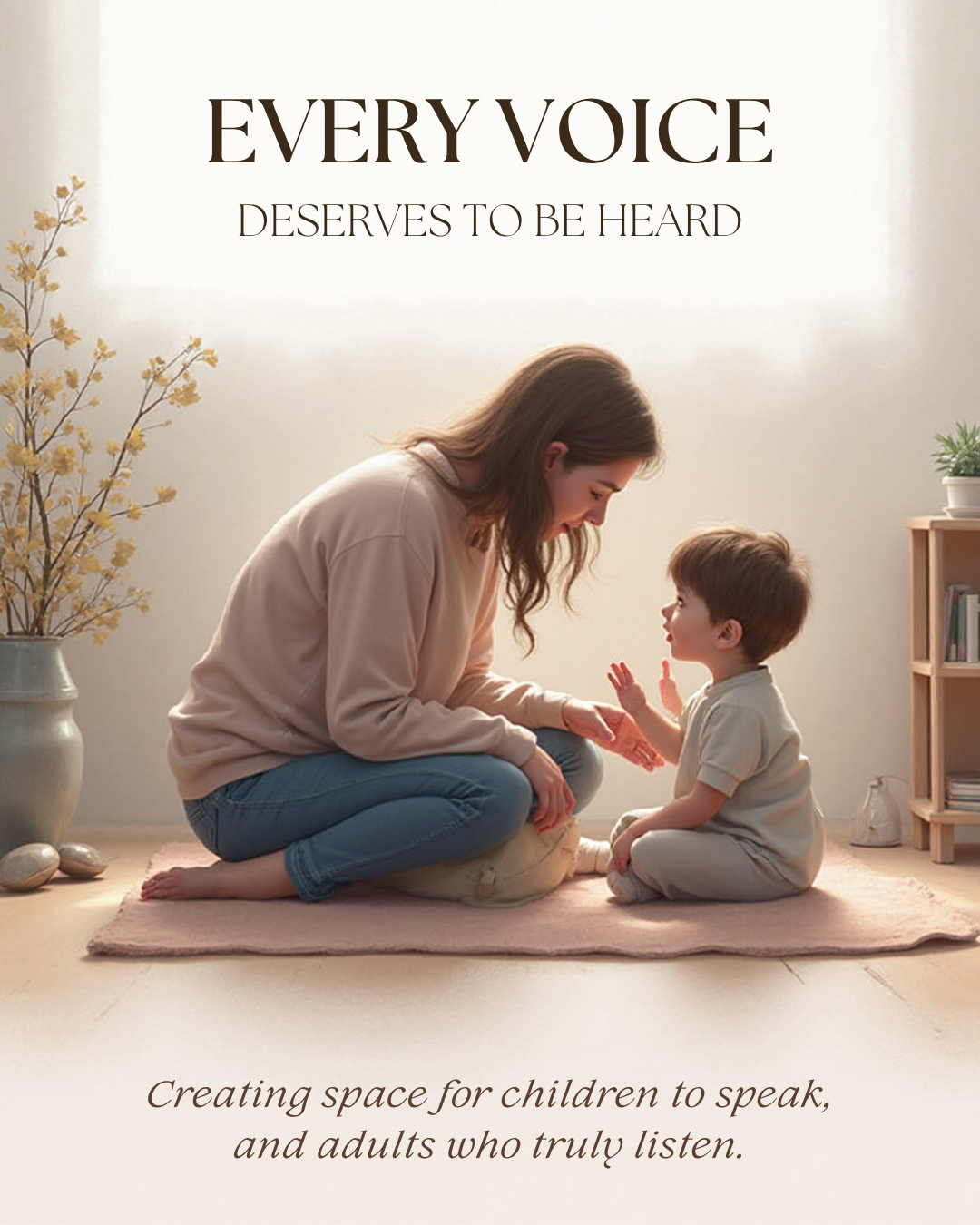
Adults need to learn how to hear them.
I grew up knowing what it felt like to carry a truth that other people could not or would not face. There are moments from childhood that never leave you because they shape the way you understand safety, love, loyalty, and silence.
One sentence I have never forgotten is, “He loves you more than me.”
A child should never be placed in that emotional position.
A child should never be made to feel responsible for an adult’s jealousy, comfort, marriage, reputation, fear, denial, or inability to act.
When a child is abused, the child is never the problem. The child is never the cause. The child is never responsible for keeping the family together, protecting the abuser, managing the reactions of adults, or carrying shame that never belonged to them.
But this is often what happens.
The child becomes the container.
The child holds the secret.
The child absorbs the confusion.
The child learns to survive inside a reality no child should ever have to understand.
And later, when that child becomes an adult, people ask questions that reveal how little they understand trauma.
Why didn’t you tell someone?
Why didn’t you say no?
Why didn’t you run?
Why did you retract?
Why did you stay connected to the family?
Why did it take so long to speak?
These are the wrong questions.
The better questions are:
Who made it unsafe for the child to speak?
Who benefited from the silence?
Who missed the signs?
Who protected the adult instead of the child?
Who taught that child that their truth would cost too much?
Because silence is not always consent.
Silence can be fear.
Silence can be conditioning.
Silence can be survival.
Silence can be a child’s only way of staying emotionally intact in an environment where truth feels dangerous.
This is why child sexual abuse prevention cannot rely on children speaking up. Of course, children should be encouraged to tell safe adults when something feels wrong. Of course we should teach body safety, consent, boundaries, and the difference between safe and unsafe secrets.
But prevention cannot be placed on the shoulders of children.
Adults must become better observers.
Adults must become safer listeners.
Adults must become more willing to be uncomfortable.
Because protecting children requires more than good intentions. It requires courage. It requires adults to notice patterns they would rather explain away. It requires us to stop assuming that someone is safe simply because they are charming, respected, helpful, religious, related, professional, or loved by the community.
People who harm children do not always look like monsters.
Sometimes they look ordinary.
Sometimes they are trusted.
Sometimes they are admired.
Sometimes they know exactly how to position themselves so that the child seems confused, dramatic, difficult, or unreliable.
That is part of the harm.
Grooming is not only about gaining access to the child. It is also about gaining access to the trust of everyone around the child.
It can involve the family, the school, the club, the church, the neighbourhood, the friendship group, and the wider community. It can make adults feel that questioning the behaviour would be disloyal, rude, accusatory, or excessive.
But I would rather an adult ask an uncomfortable question than a child be left alone in danger.
I would rather someone risk awkwardness than ignore a warning sign.
I would rather a child be protected too early than believed too late.
This is the shift we need.
We need to stop treating child sexual abuse as something that happens “elsewhere,” in “other families,” to “other people.”
It happens in homes. It happens in trusted spaces. It happens in families that look normal from the outside. It happens where silence is rewarded and truth is inconvenient.
It happens where adults protect reputations instead of children. And it leaves lifelong echoes.

Child sexual abuse does not end when the abuse stops. The body remembers. The nervous system remembers. The mind adapts. The child grows into an adult who may struggle with trust, boundaries, self-worth, relationships, shame, anger, anxiety, depression, emotional regulation, or a deep sense of being somehow different.
Survivors often carry questions that were never theirs to answer.
Was it my fault?
Why didn’t anyone stop it?
Why wasn’t I protected?
Why did no one see me?
Why did my pain matter less than someone else’s comfort?
Healing does not happen because someone tells you to move on.
Healing happens slowly, in layers.
It happens when the survivor is finally able to name what happened without carrying the blame.
It happens when the truth is met with belief instead of interrogation.
It happens when the body begins to understand that the danger is no longer happening.
It happens when the adult survivor realises – I was a child. I did not cause this. I did not deserve this. I should have been protected.
Those words matter.
I was a child. I did not cause this. I did not deserve this. I should have been protected.
For many survivors, those sentences take decades to fully believe.
That is why the way we respond matters so much.
When someone shares a story of child sexual abuse, they are not handing us gossip. They are not offering content. They are not asking to be analysed, doubted, corrected, compared, or rushed into forgiveness.
They are trusting us with something sacred.
The first response should not be investigation.
It should be humanity.
“I believe you.” “I am sorry that happened to you.” “You were a child.” “It was not your fault.” “You deserved protection.”
These words do not fix everything. But they can stop the wound from deepening.
As a lived-experience survivor, I do not speak about this because it is easy. I speak because silence protects the wrong people. I speak because children are still being asked to carry what adults refuse to face. I speak because someone may recognise a pattern earlier. I speak because a survivor may read this and feel less alone.
I also speak because there is power in reclaiming the story.
Absolutely. This is an important addition because it connects the article directly to The Impactful Voice Project™ and explains why lived-experience stories need a safe, public place to exist.
I would add this section after:
“I also speak because there is power in reclaiming the story.”
That is one of the reasons I created The Impactful Voice Project™.
Too many stories of abuse, survival, grooming, silence, and recovery remain hidden behind closed doors. They are whispered in private. Shared only with therapists. Carried in journals. Held in
bodies. Spoken quietly to one trusted person, if they are spoken at all.
And while privacy can be necessary for safety, secrecy is something different. Secrecy protects systems that rely on silence.
When stories stay hidden, society can pretend the harm is rare. Families can avoid accountability. Institutions can claim they did not know. Communities can keep looking away. Survivors can feel as though they are the only ones carrying this kind of pain.
But when stories are shared safely, carefully, and with consent, they become more than personal testimony.
They become education.
They become prevention.
They become evidence of patterns people can no longer ignore.
They help someone else recognise what happened to them. They help parents, teachers, friends, and community leaders understand what warning signs can look like. They help survivors feel less alone. They help move child sexual abuse out of the shadows and into the public conversation where change can begin.
That is why sharing through The Impactful Voice Project™ matters.
It gives lived experience a safe and purposeful place to be witnessed. Not sensationalised. Not exploited. Not turned into trauma for public consumption. But held with care, dignity, and intention.
Every story shared through IVP has the potential to reach someone who needs language for their own experience. Someone who has never heard another person say what they have been too afraid to say. Someone who has blamed themselves for years. Someone who may finally realise, “It was not my fault.”
Stories do not only raise awareness.
They interrupt silence.
They challenge denial.
They create connection.
They bring private pain into the public domain in a way that can educate, protect, and create change.
And for issues like child sexual abuse, that matters deeply.
Because what stays hidden often stays unchanged.
For a long time, abuse can make a person feel as though their story belongs to someone else. The abuser becomes the centre. The silence becomes the frame. The shame becomes the language.
But healing changes the ownership.
The story becomes mine again.
Not because I chose what happened. I did not.
But because I get to choose what I do with the truth now.
I can use it to educate.
I can use it to protect.
I can use it to create safer conversations.
I can use it to help another survivor feel less alone.
I can use it to say: this should never have been hidden, and it should never be left for children to carry in silence.
For a long time, abuse can make a person feel as though their story belongs to someone else. The abuser becomes the centre. The silence becomes the frame. The shame becomes the language.
But healing changes the ownership.
The story becomes mine again.
Not because I chose what happened. I did not.
But because I get to choose what I do with the truth now.
I can use it to educate.
I can use it to protect.
I can use it to create safer conversations.
I can use it to remind other survivors that they are not broken, dirty, weak, dramatic, or beyond repair.
I can use it to say to adults: do better.
Listen earlier.
Question more bravely.
Protect more fiercely.
Believe children.
Believe their discomfort.
Believe their sudden changes.
Believe the quiet ones.
Believe the angry ones.
Believe the child who cannot find the right words.
Believe the child who tells part of the story and then takes it back.
Believe the child who seems confused.
Believe the child who loves the person who hurt them.
That last one is important.
Abuse is not simple for a child. Children can feel fear and attachment at the same time. They can love someone and be harmed by them. They can want the abuse to stop without wanting the whole family to collapse. They can feel protective of the person who is hurting them because grooming twists the emotional world of the child.
This is why adults must stop expecting child victims to behave in ways that make adults comfortable.
A child’s response to abuse may not look logical.
Trauma is not logical.
Survival is not tidy.
Disclosure is not always linear.
Healing is not a straight line.
But protection should be clear.
Children need adults who are willing to act.
Not panic. Not gossip. Not shame. Not interrogate.
Act.
Notice.
Document concerns.
Seek professional guidance.
Report when required.
Create safe opportunities for children to speak.
Teach boundaries without creating fear.
Make homes, schools, organisations, and communities places where children know their body belongs to them.
And just as importantly, make sure adults know that child protection is not optional.
It is not someone else’s responsibility.
It belongs to all of us.
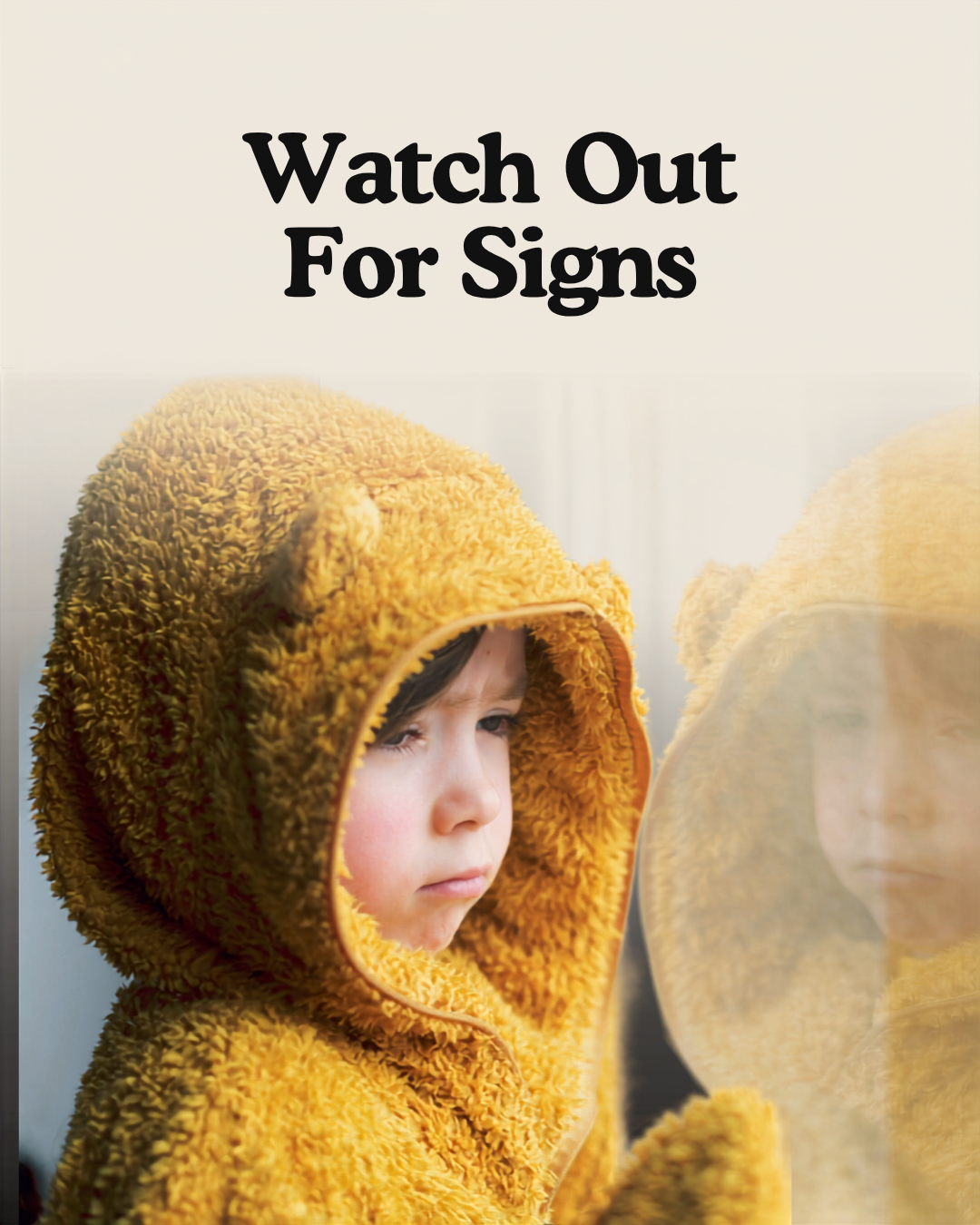
If a child seems afraid of someone, pay attention.
If an adult repeatedly seeks private access to a child, pay attention.
If a child suddenly changes behaviour, pay attention.
If a child becomes anxious, withdrawn, unusually compliant, aggressive, secretive, or distressed, pay attention.
Do not dismiss discomfort because the adult involved seems nice.
Do not protect an adult’s reputation at the expense of a child’s safety.
Do not wait for perfect proof before offering protection.
Children should not have to present a legal case before adults take them seriously.
They need safety first.
Questions can come later.
This is the message I want to leave with anyone reading this.
A child may not have the language.
A child may not disclose clearly.
A child may deny something because they are terrified.
A child may protect the person harming them.
A child may carry visible signs or no visible signs at all.
But every child deserves adults who are awake enough, brave enough, and emotionally mature enough to notice when something is wrong.
I cannot change what happened to me.
I cannot go back and protect the ten-year-old girl who already knew she was unsafe.
But I can stand with her now.
I can give her a voice.
I can say what she could not safely say then.
And I can use that voice to help protect others.
Child sexual abuse survives in secrecy, shame, confusion, and silence.
So, we must become people who make truth safer.
We must become adults children can trust.
We must become communities that choose protection over politeness.
We must become families that listen instead of defending.
We must become educators, advocates, neighbours, parents, grandparents, leaders, and friends who understand that a child’s safety matters more than adult discomfort.
Because no child should have to carry a truth that heavy alone.
No child should have to wait decades to be believed.
No child should have to become an adult before someone finally says:
I see you.
I hear you.
It was not your fault.
You should have been protected.
And from now on, we will do better.
#ChildSexualAbuseAwareness #ChildProtection #BelieveChildren #BreakTheSilence #SurvivorVoices #LivedExperience #SafeguardingChildren #TraumaRecovery #AbusePrevention #TheImpactfulVoiceProject #ProtectChildren #SurvivorAdvocacy