
About the Contributor
This story was written by Lisa Alward, shared as part of The Impactful Voice Project™ — One Voice. Infinite Impact.™
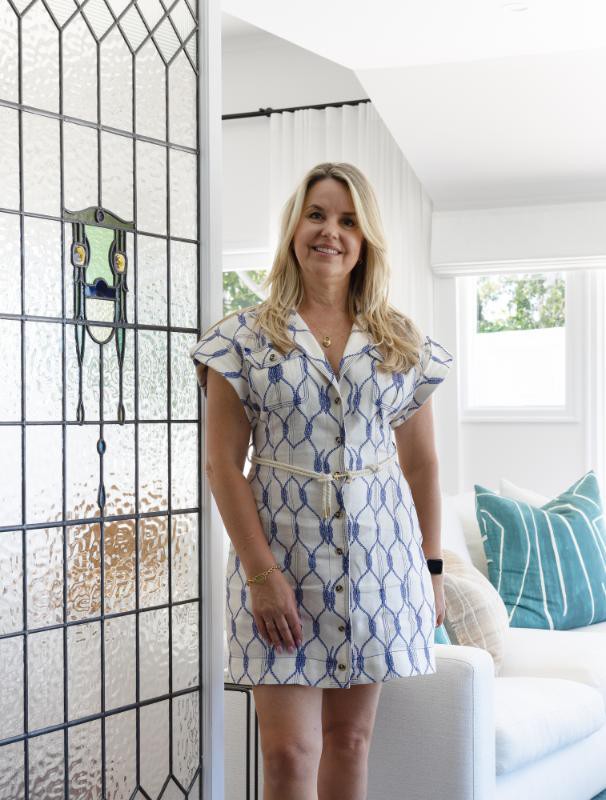
Lisa Alward is the Principal of Bella Vie Interiors and the creative force behind the Inside Out design methodology, creating emotional sanctuaries that support psychological wellbeing, technical precision, and luxury design. With more than 12 years of industry experience, Lisa is also an author, resilience advocate, and founder of a 60,000-strong digital community focused on helping people find their way back to themselves.
🔸 Category: Life-Changing
🔸 Country: Australia
🔸 Connect: https://bellavieinteriors.com
Why this story matters:
Lisa Alward’s story matters because it shows how deeply our lived experiences shape the way we see safety, belonging, and home.
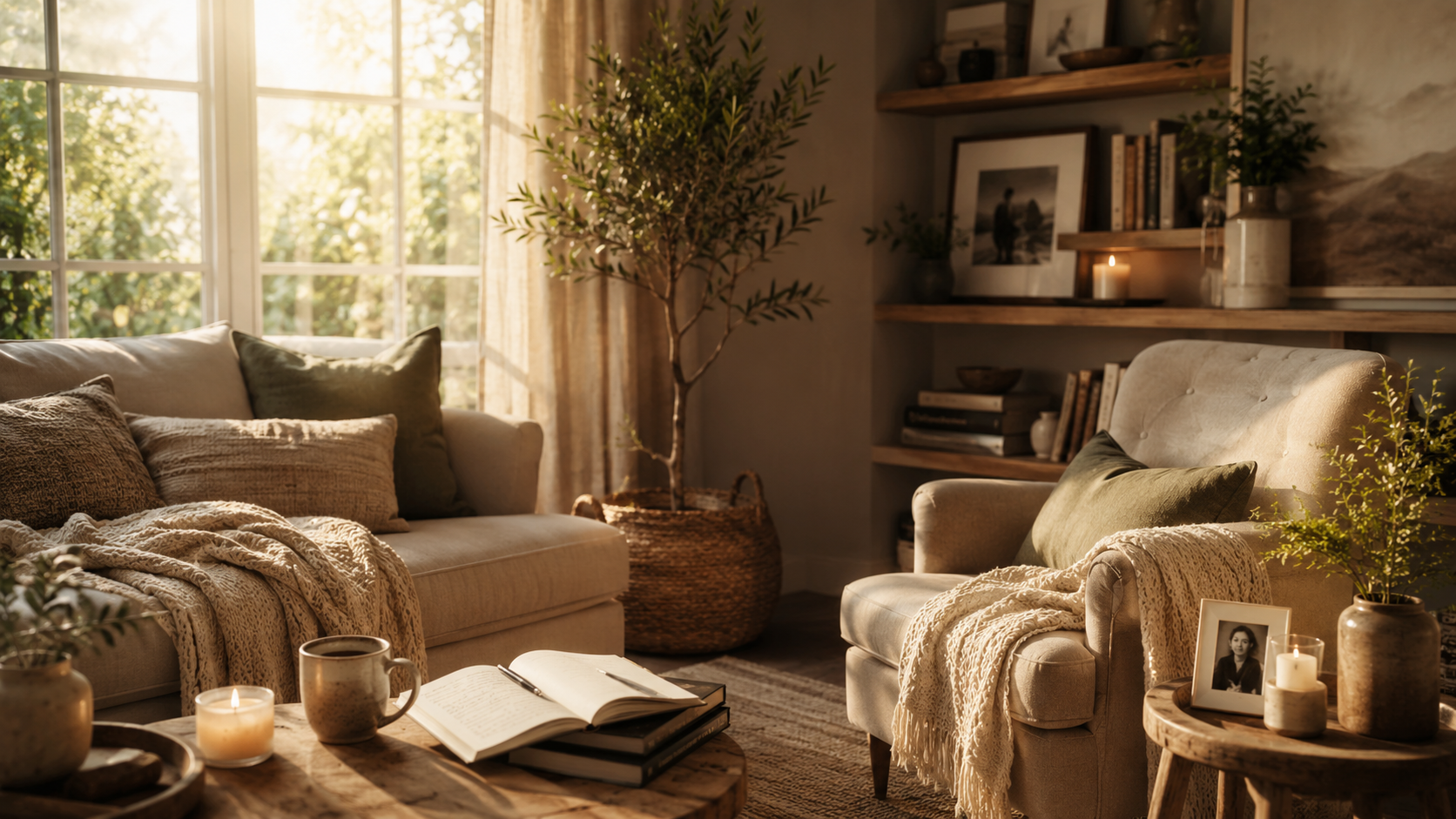
Her story is not only about interior design. It is about what happens when grief changes the way we understand the spaces we live in. After experiencing profound loss, Lisa began to see that a home is more than a collection of rooms, colours, finishes, and furniture. It can become a place of grounding, restoration, and emotional refuge.
This story touches on themes of grief, resilience, emotional wellbeing, and the search for sanctuary. It reminds us that beauty does not erase pain, but it can sit beside it. A thoughtfully created space can help hold the parts of us that are tired, tender, and still healing.
Lisa’s journey also reflects the heart of The Impactful Voice Project™. Her lived experience became more than something she survived. It became wisdom. It became purpose. It became a way to help others feel safe, seen, and supported in their own lives.
This story matters because many people are not just looking for a house. They are looking for somewhere they can exhale. Somewhere they can feel held. Somewhere they can begin to find their way back to themselves.
13 11 14

1300 22 4636
KEY POINTS
- A home can be more than a beautiful space. It can become a sanctuary for emotional healing.
- Lived experience can shape meaningful work that supports others with compassion and purpose.
- Grief and beauty can exist together without one cancelling out the other.
- True design begins with understanding the person, not just the physical space.
- Safety, belonging, and emotional wellbeing are essential parts of rebuilding after loss.
The word “home” means something different to everyone, but for me, it was always an elusive concept. Growing up, my childhood was defined by instability and frequent moves. By the time I reached adulthood, I’d lived in over twenty different houses. Each new address was a fresh slate, a different set of walls, and another attempt to anchor myself. I learned very early to read the energy of a room; to understand how physical surroundings dictate your internal state, and how a chaotic environment breeds a chaotic mind. I sought safety in structure, eventually turning that survival instinct into a career in interior architecture. I thought that by designing flawless, beautiful spaces for others, I could somehow construct the permanent sense of security I was personally lacking.
But you can’t out-design tragedy. No matter how perfectly resolved a floor plan is, or how beautifully the natural light falls across a room, the walls we build cannot keep out the harshest realities of the human experience.
My true turning point – the moment that shattered my world and ultimately redefined everything I understood about life, space, and purpose – didn’t happen at a drawing board. It happened in the quiet, devastating aftermath of losing both my brother and my son to suicide.
There are no words to describe that kind of loss. It’s a grief so
heavy it alters the gravity in the room. When you lose people, you love in such a heartbreaking way, the uncertainty is paralysing. The fear of tomorrow becomes a physical weight. For a long time, I lived in that dark, stagnant space where the world outside kept moving, but my internal world had completely stopped. I found myself questioning the validity of everything I’d spent my life doing. What did the fabric of a cushion matter? What was the point of selecting the perfect tone of white marble when my soul felt entirely fractured? The beautiful interiors I was creating for clients began to feel like a mask – a superficial layer of perfection draped over an unpredictable and often cruel world.
In that period of deep grief, I faced a choice. I could let the loss consume me, or I could allow it to teach me. I had to move from loss to learning, from the paralysing fear of vulnerability to the freedom of living authentically.
The insight that altered the direction of my life came when I realised that our physical spaces and our emotional well-being are not separate entities. They are intrinsically and intimately connected. I looked back at the twenty-plus houses I’d lived in and realised I hadn’t just been running from instability – I’d been searching for a sanctuary. My clients weren’t just hiring me to choose tapware or draw cabinetry, instead they were looking for a place where they could feel safe, relaxed, and anchored. They were looking for home.
This turning point completely reshaped my approach to my work and my life, giving birth to a philosophy I call designing from the inside out. I decided to stop focusing purely on a room’s aesthetics and start focusing on the human being inside it. I finally understood that a truly beautiful life is built from the inside out, and our physical environment should simply be an extension of that internal sanctuary. If the inside of your mind or your family life is hurting, a sterile, showroom-perfect house will only amplify that isolation. Your home needs to tell the story of your life, to wrap you in comfort, and to act as a restorative boundary against the noise of the outside world.
Driven by this new clarity, I founded the online community, Finding Home Again. It became a way to infuse deep emotional intuition into the structural world of interior design. I stopped accepting the industry-standard high-stress and frantic timelines that left everyone feeling overwhelmed. If I were going to help people create a beautiful life, I had to model what that looked like in my own world first.
That decision required an immense amount of courage. In the design world, there is a constant pressure to hustle, to over-deliver at the expense of your own sanity, and to chase a superficial standard of perfection. To step away from that meant setting fierce boundaries. I had to learn the hard way that self-care is not a luxury – it’s a non-negotiable foundation for survival. You can’t pour comfort into someone else’s home if your own internal reservoir is completely dry.
For me, creating a beautiful life became a delicate, intentional balancing act. It meant going after what I absolutely loved doing – transforming spaces and touching lives – without sacrificing what was truly important: my family, my mental health, and my peace of mind. I started saying no to projects that didn’t align with this philosophy. I stopped chasing cold, clinical minimalism and began championing warm, lived-in spaces that prioritise emotional resonance over design trends.
When I sit down with a client now, I don’t start by asking about their budget or their preferred colour palette. I ask them how they want to feel when they walk through their front door at the end of an exhausting day. I listen for the unspoken needs, the subtle anxieties, and the hidden desires for safety that I know all too well. Because of the tragedies I have survived, I’ve developed a rare emotional intuition. I can walk into a dark, disconnected house and see exactly how to open it up to the light, not just structurally, but emotionally.
My journey through the deepest valleys of loss has taught me that we can’t control the storms that hit us from the outside. We cannot prevent the unexpected heartbreaks that life throws our way. But what we can do is create a sanctuary within ourselves, and reflect that peace in the spaces we inhabit.
Today, my work is no longer just about interior design – it’s a dual-purpose mission. It’s about helping people find their way back to a place of safety, grounding, and connection. I have found freedom in letting go of the need for a perfect, unblemished life and choosing instead to create a meaningful, beautiful one.
Out of the ashes of absolute heartbreak, I made a conscious decision to build something that honours the memory of those I lost by bringing more kindness, warmth, and sanctuary into the world. The walls I design now aren’t built to keep the world out – they are built to hold the beautiful, messy, and precious lives within them safe.
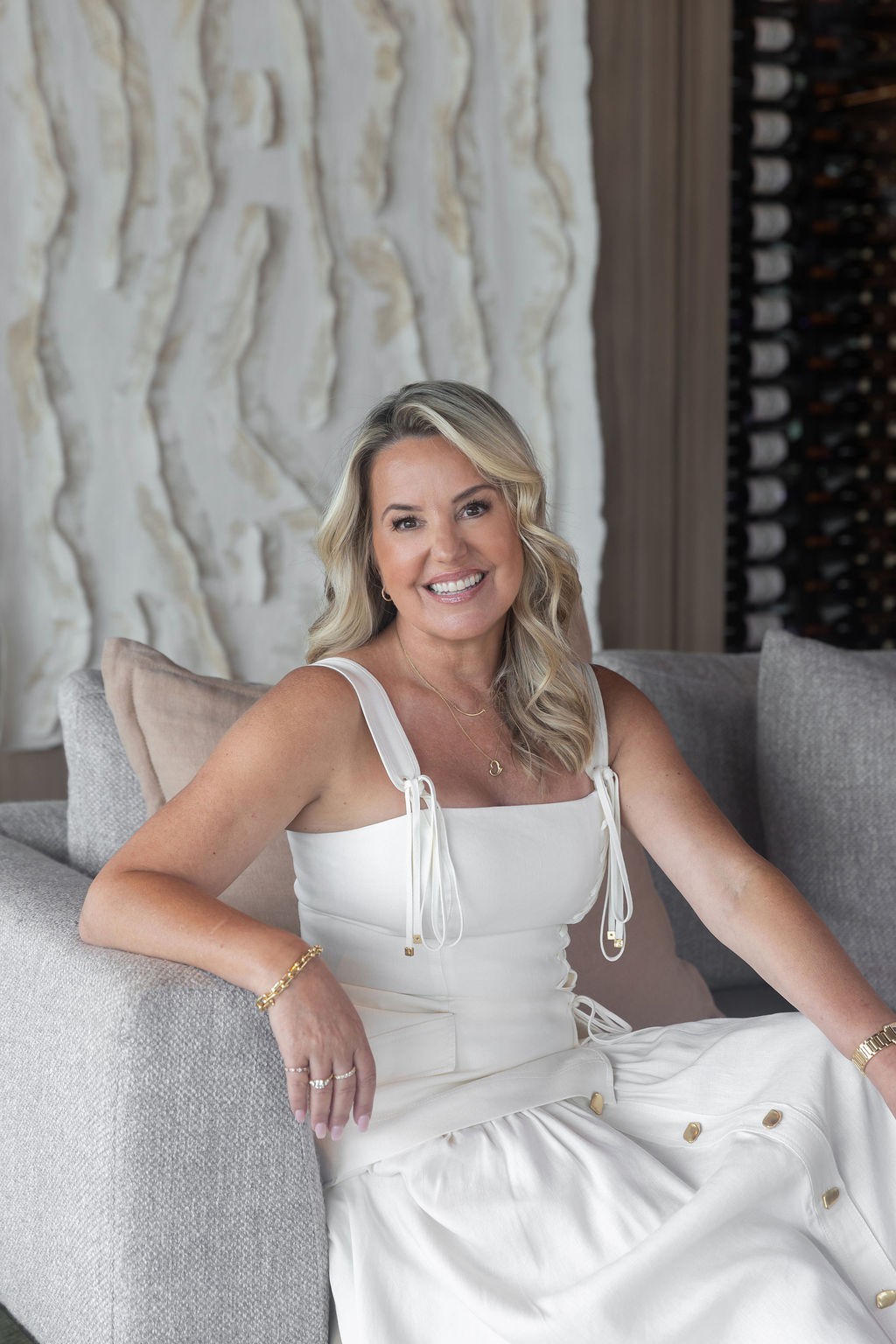
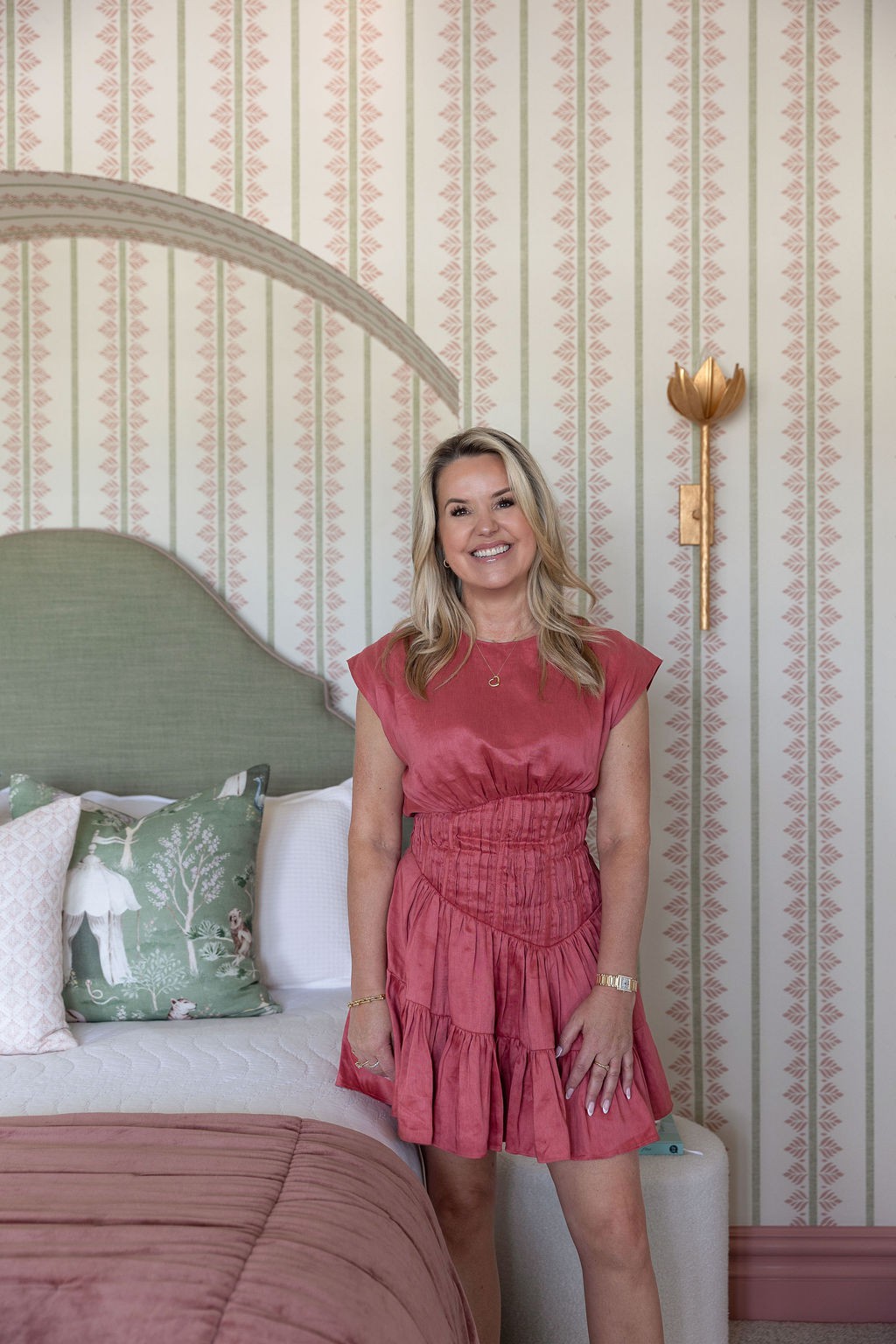
Lisa Alward is the Principal of Bella Vie Interiors and the creative force behind the Inside Out design methodology. With over 12 years of industry experience, Lisa specialises in creating emotional fortresses that prioritise psychological well-being alongside technical precision and luxury design.
Her work has been featured on Grand Designs Transformations and the cover of Home Beautiful Magazine. Beyond the studio, Lisa is an author and the founder of a 60,000-strong digital community focused on resilience. She is dedicated to delivering seamless, concierge-level service that transforms renovations into life-changing experiences.
“homes should be designed from the soul plan, not just the floor plan.”
If this story resonated with you, please share it. You never know who might need it today.
#InsideOutDesign #LivedExperience #GriefAndHealing #EmotionalWellbeing #HomeSanctuary #TraumaInformedDesign #LifeChangingStories #ResilienceJourney #TheImpactfulVoiceProject #HealingThroughStory