About the Contributor
This story was written by Dane McCormack, shared as part of The Impactful Voice Project™ — One Voice. Infinite Impact.™
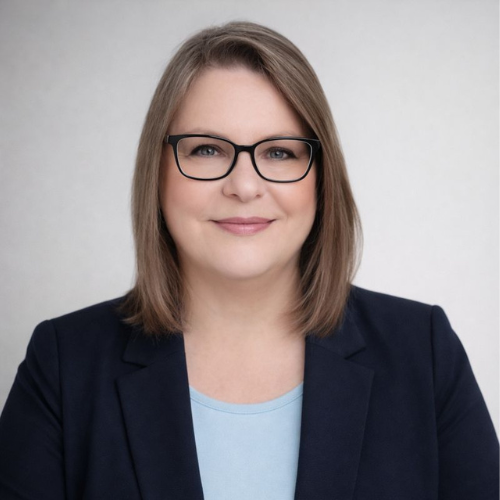
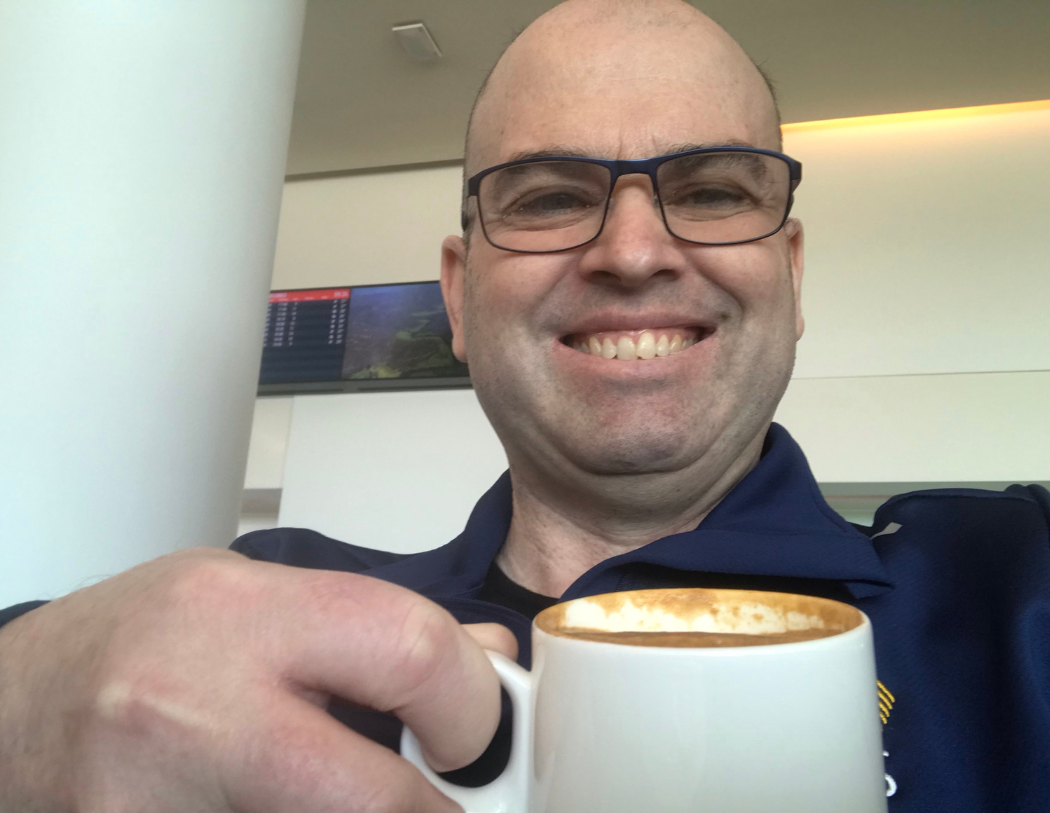
Dane McCormack is a Tasmanian writer, innovator, and advocate who has worked across precision manufacturing, business strategy, and organisational development. After surviving cancer and an acquired brain injury, he now uses lived experience, history, and storytelling to create understanding and change.
🔸 Category: Life-Changing
🔸 Country: Australia
🔸 Connect: https://danemccormackauthor.wordpress.com/home/
Why this story matters:
Because it proves that a life reshaped by illness or injury is still a life of value — and that lived experience, when shared, becomes a quiet force for collective understanding.
KEY POINTS
- Innovation and creativity can be carried across radically different stages of life
- Brain injury and illness do not erase identity, humour, or purpose
- Lived experience becomes powerful when shared to support others
- Systems meant to help can fail without human-centred understanding
- Meaning can be rebuilt through contribution, storytelling, and community action
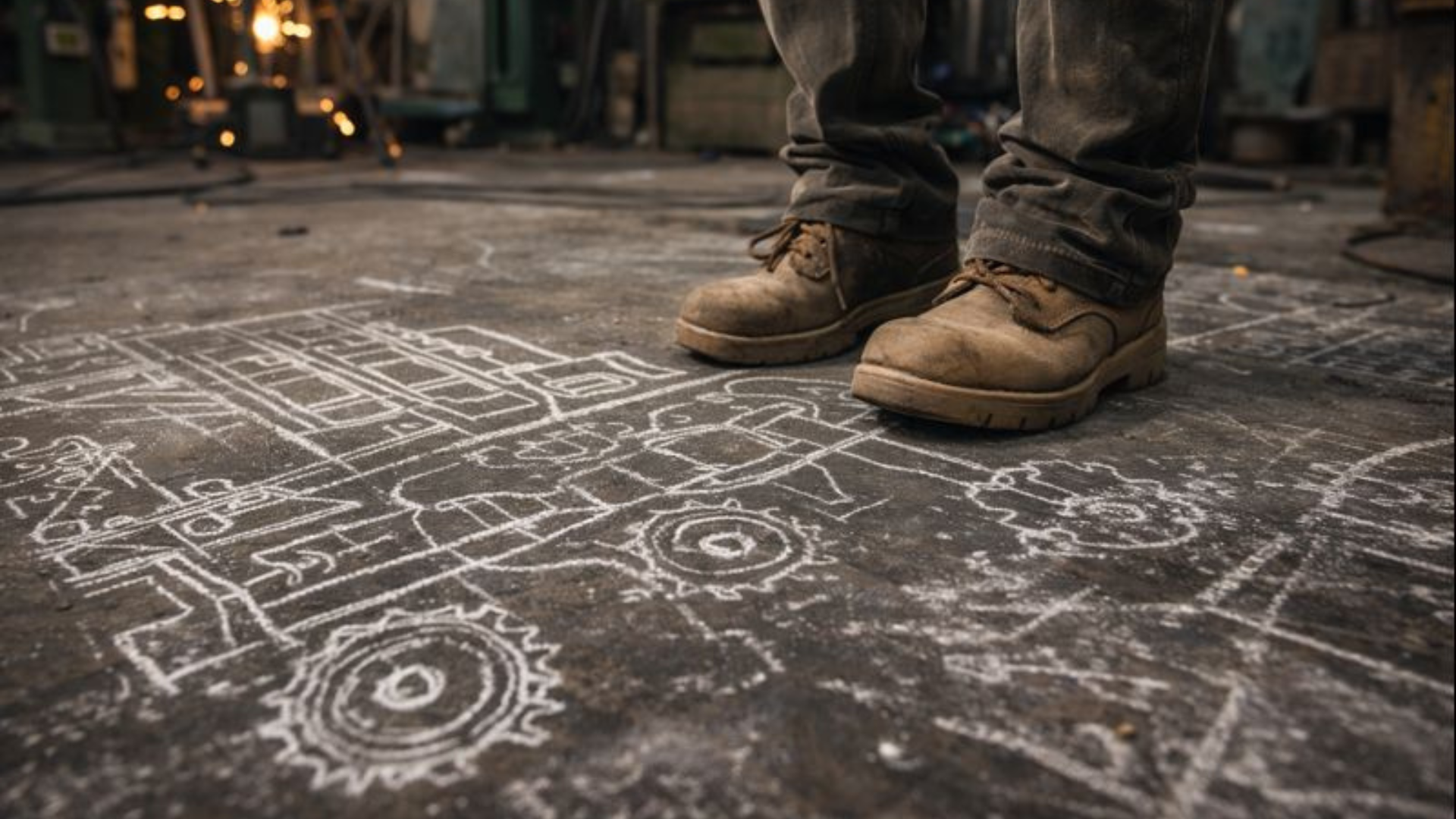
Hello, my name is Dane McCormack, and I had the most amazing childhood growing up in the historic town of Latrobe on the Northwest Coast of Tasmania, that taught me so much about life and how to live it with ease. My Dad inspired my career; he helped build the Hydroelectric Scheme in Tasmania and later worked as a Boiler Maker Welder for the largest onion exporter in the Southern Hemisphere. He would tour the world with his boss taking photographs of the latest in vegetable processing and harvesting equipment. He would then come home and build it in his workshop, without Engineers, or drawings, or calculations. He had a vision of what he wanted, then he just figured out how to do it with chalk sketches on the workshop floor! He once took a tractor and turned it into a self-propelled onion harvester with just chalk sketches on the floor. He inspired me to get into manufacturing, and I started out gaining a trade
certificate in Precision Manufacturing, which is similar to a Fitter and Turner, but much more accurate. I was making parts to the nearest nanometre! So difficult to get there but so satisfying when I did. It was with a government owned training centre that was run as a business called the Centre for Precision Technology. We also studied Manufacturing Engineering at University. It gave us practical experience in the discipline we would soon be designing and managing. Unfortunately, the government shut the Centre down in my third year. To be fair, most of the graduates escaped to the mainland, as I did too, we weren’t delivering the outcome the government needed.
I then searched desperately for a job in Tasmania. I examined every single manufacturing company in Tasmania, unfortunately the market was small and flooded with trainees from the shutdown Centre for Precision Technology. Therefore, I escaped to the mainland and soon after landed a dream job as Lean Manufacturing Manager for Boeing, who flew me to their factory in Seattle Washington to learn all about it. My career then literally took off, and Boeing threw me an opportunity to get into Business Strategy Development in their Advanced Systems Team. We were asked to look widely across the Boeing Company to identify products and services that we sold elsewhere, that could be sold in the Australian market and then develop business strategies to bring them here and sell them! So much fun! Here I was on the cusp of launching Boeing’s solar power business in Australia! Boeing subsidiary Spectrolab had developed an innovative power station based around their world-leading CPV cell they used to power satellites. They were having trouble convincing their leadership to start the business in the US, however I was working in an area focused on developing global business strategies, so I had a much better chance of getting it up and running. Therefore, I worked with them to develop a business strategy to manufacture solar power stations in Australia and export them to the world. Everyone loved it! Except for the Boeing senior leadership who thought it would impact their aeroplane sales and with a stroke of the pen, it was gone, they sold it off, damn it.
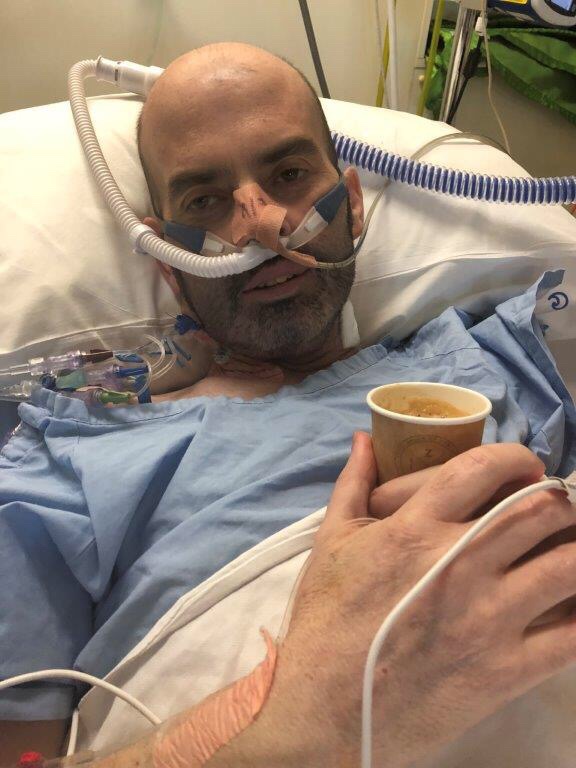
I then hit a major turning point in life in 2018 after I contracted an acquired brain injury, when bacteria from a surgical wound infiltrated my brain causing encephalitis, which is brain swelling. It mainly affected memory. I was in hospital for 12 months battling cancer at the time. I also lost the toes off my right foot, 20cm of my bowel, my long- and short-term memories, my sense of smell, my sense of taste, but not my sense of humour, phew! Because laughter really is the best medicine. The nurses often wrote in my hospital notes that I was “pleasantly confused” LOL! The cancer is in remission now and because I survived, I have thrived.
After I was released from hospital I searched for a Brain Injury Support Group, unfortunately the previous one had lapsed several years before. Then when I was visiting family in Tasmania, my mother found a Support Group in Ulverstone. So, I went along and really enjoyed it. That inspired me to start a Support Group in Canberra, so I approached Synapse and they supported me to do that. Half a dozen of us met once a month for coffee and a chat. Unfortunately, I needed to escape the mainland back to my home state Tasmania and we couldn’t find anyone to take it over, so it’s lapsed again.
I have been a participant with the NDIS since 2020, and they’ve provided some
wonderful treatments. However, I’ve literally stumbled over every treatment for my brain injury. For example, the Brain Training Centre was on my daily walk, the irony that I hadn’t noticed it until my ex-wife pointed it out and asked what they do isn’t lost on me LOL! Another day I was going to Mediation with my ex-wife, looked up on the wall and found the Happy Neurons Company. “I wonder what they do?” I thought. Turns out they’re a Psychologist specialising in brain injury. Support Coordinators have a great list of providers, but don’t have the medical expertise to help us find treatments. I’ve been talking with my current Support Coordinator, who organises Team Meetings with a Participants treating Doctors, Occupational Therapists, Support Workers, etc, to find the best treatments. She tells me that the NDIS don’t support those meetings and are cutting funding, even though they are invaluable.
The 2023 Independent Review cut funding for all of those treatments, citing a lack of scientific evidence, even though there are reams of evidence and I have Psychological Assessments which show good improvement after undergoing treatment. I have spoken with the Tasmanian Disability Minister Jo Palmer, who is going to provide a contact within NDIS for me to engage with. She also passed along the details of the disability employment training centre to Felix Ellis, who is the Tasmanian Minister for Skills and Training. I luckily have some experience dealing with bureaucracy, having lived and worked in Canberra for the last decade and also for several multinational companies. Most Participants unfortunately don’t have that experience to draw upon.
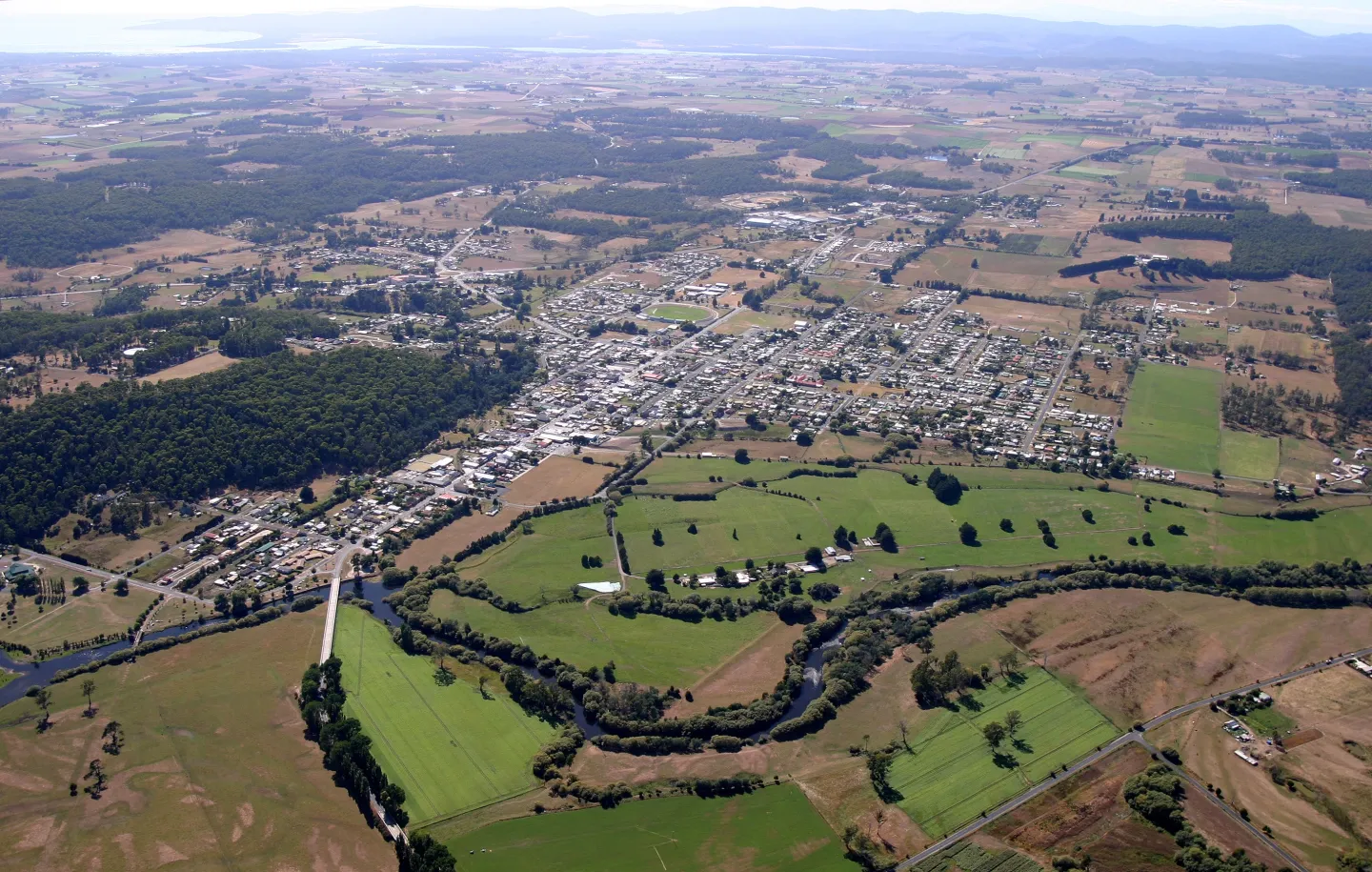
Latrobe, Tasmania, Australia (Tasmanian Library Archive NS6322-1-38)
I’ve written all about it if you’re interested. Because I’d lost my long-term memories, I set out on a mighty quest to find them and wrote my autobiography. But I do warn you that it’s a long read. It’s a celebration of everything important in my life and I had a lot to celebrate. It emphasised just how important history is, because it helps make us who we are. Which is why I’m writing a series of creative nonfiction history articles and books with a personal connection. I find an historically significant location like Latrobe, or an activity like recreational fishing and I tell the story of its history, while telling the story of my own history there. The word welcomes it Hi-Story. You can read all about it on my Author page https://danemccormackauthor.wordpress.com/home/
It also includes a series of articles exploring how I survived and thrived through my cancer journey. https://conqueringtoughtimesbringsjoy.wordpress.com/
The first book I self-published last year is about my Great Great Great Grandfather. My mother has spent decades looking for who his parents were and where they lived. All we know is that he was a 14-year-old bricklayers labourer from Toxteth Park, Liverpool. Therefore, I wrote the book to explore where he lived his life, in the hope that I’d find more clues. In Tasmania was assigned to a free settler and got the free settler’s daughter pregnant 😳 then married her and lived happily ever after. It’s called Exiled to Exalted, because even though the convicts were exiled halfway around the world, let’s exalt them for helping create this wonderful country we now live in. So I’ve also explored how the convicts, who were exiled for opposing British ideals, went on to create one of the worlds most democratic and multicultural nations. They saw it
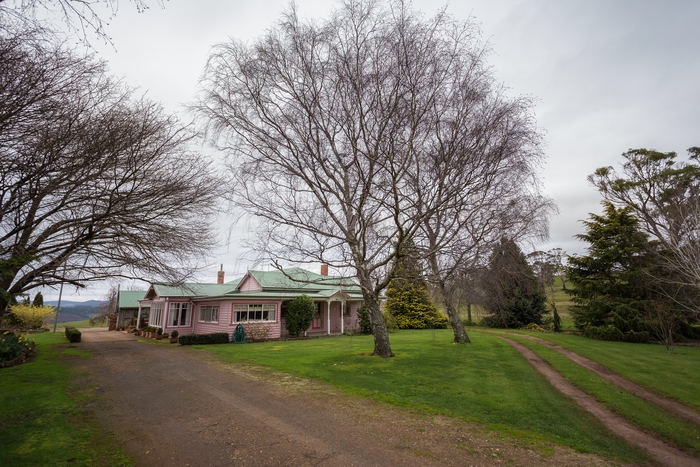
Grandparents old farmhouse
as an opportunity to create the country they always wanted to live in. https://au.blurb.com/b/11704215-exiled-to-exalted
Inspired by Kate Burke of The New Graces, who I was working with at the time, I also wrote a theme song for my book https://www.youtube.com/watch?v=WImoo-VMVFc
I did return to work as Business Strategy Manager for Lockheed Martin and my boss was awesome, he helped me explore that I wasn’t suited to that type of job anymore, because I can’t work full time due to mental fatigue and the brain injury impairs my ability to do the wide thinking needed to develop business strategies. Therefore, I’m back working in Quality Assurance and Organisational Development and I’m really enjoying it. When I was searching for work, I got talking with Business Action Learning Tasmania about the state of disability employment and we came up with the idea to establish a disability employment training centre. We would set up a production line for small household sized wind turbines, which can recharge a mobility scooter, or similar. Then get participants to operate the production line, while teaching them Lean Action Learning, which they will use to improve the production line. We’ll further develop the wind turbines and sell them at local markets. It will help participants explore what jobs they’re better suited for. We did unsuccessfully apply for a Skills Tasmania Training and Work Pathways grant, which is why I’m exploring a smaller initial grant to prove the effectiveness of the Career Exploration and start my own business.
I’m working with Burnie Works and Productivity Improvers amazing Simulated Work Environment in Burnie. They’ll do the practical component, and I’ll work alongside Participants helping them explore their strengths, support needs and desires. This will empower them to explore alternate career pathways better aligned with their and local industry needs. I’ll produce a video similar to this one the Brain Injury Association of Tasmania created for me https://youtu.be/dYrNq8q8BPA?si=DJ8mC6MVlWtZllgs
I’ve started developing a training course of modules of the skills I used to transfer my skills from gaining a trade certificate in Precision Manufacture to develop business strategies in the boardrooms of multinational companies. Because using stories gives context the concepts. I’ve written about these skills https://howdoyoucreateacareer.business.blog
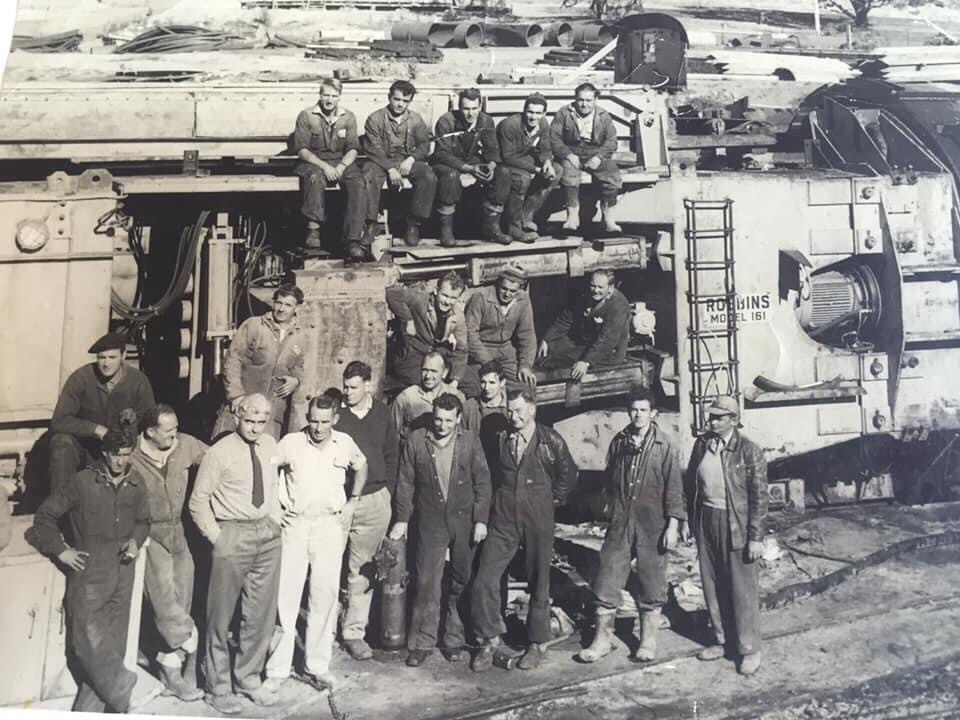
Danes father helped build the Hydroelectric Scheme in Tasmania
I am also transferring my skills to become an Historian. I’m volunteering with the Latrobe Courthouse Museum. I started a Writers Group in the Mersey Branch of the Tasmanian Family History Society last year. Half a dozen of us meets once a month. We set homework exercises i.e. write about an ancestor’s home, describe a larrikin in the family etc. I am involved in establishing the Cradle Area Local Action Network, which is the first on the Northwest Coast. We are establishing a knowledge centre for the Tasmanian Indigenous Community’s Land Management techniques. We have discussed self-publishing a truth telling book on the Tasmanian Indigenous Community’s story. For me, that is about trying to explain to non-indigenous the horrific impact we had on had on the Tasmanian Indigenous Community’s culture and beliefs. I was also selected to be on the Sherwood Hall Working Group, and we will be further developing Sherwood Hall to be the tourist attraction it needs to be.
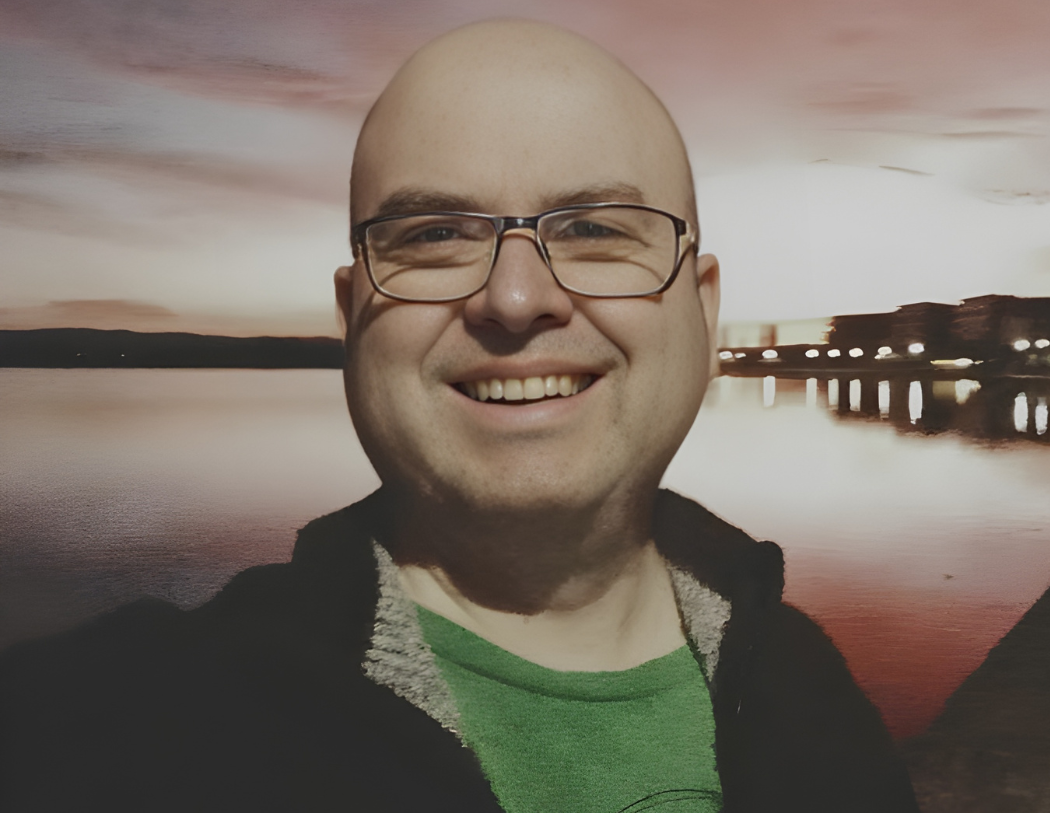
Dane McCormack is a Tasmanian writer, innovator, and advocate who has worked across precision manufacturing, business strategy, and organisational development. After surviving cancer and an acquired brain injury, he now uses lived experience, history, and storytelling to create understanding and change.
“I lost my long- and short-term memories, my sense of smell, my sense of taste — but not my sense of humour, phew!”
If this story resonated with you, please share it. You never know who might need it today.
#LivedExperience, #BrainInjuryAwareness, #ResilienceStory, #LifeAfterTrauma, #AustralianStories, #DisabilityAdvocacy, #ThrivingAfterIllness, #ImpactfulVoices